Category: Sailing

  • Cambio Named Storm Emergency Plan

    Cambio Named Storm Emergency Plan

    Cambio Named Storm Emergency Plan For Eastern Caribbean and USA

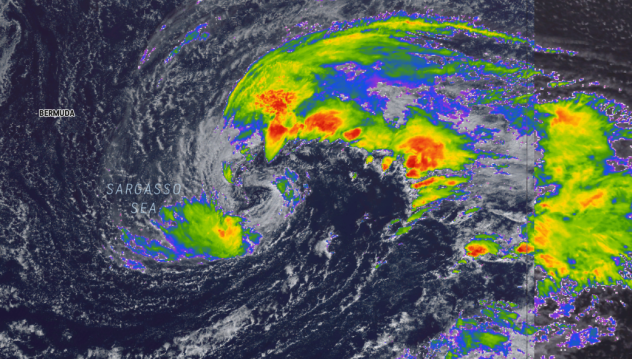
    Assuming that you can’t get out of the June to November hurricane season that makes the Caribbean dangerous, here are some thoughts about how to prepare for a bigger than normal storm.  This is not a primer, but it is a list of things to consider.  When the stuff hits the fan, it’s easier to use a checklist than remember everything all at once.   Remember that there are thousands or more boats in the Caribbean and most of them survive handily but some don’t, and we see those ones on television. 

    One more thing:   The crew are far more important than the boat.  Keep them safe.

    We are assuming anchoring out is not an attractive option, although many boats will be doing it. 

    Before and on threat of the Named Storm

    1. Watch the weather daily. 
    2. Use the Starlink wifi to check PredictWind and the NOAA weather forecast or the radio. 
    3. When a significant storm is brewing, increase the frequency watching the weather predictions
    4. When a possible storm is discovered, prepare the boat
      1. Fill fuel tanks 
        1. Note that tanks hold 80 gallons and burn .7 of a gallon each hour.  This is 114 hours @ about 6 knots which is an engine range of 685 nautical miles on fuel alone.   
        1. Plan on average size of hurricane to be about 260 nm across and moves at about 13 knots.  It usually moves West – Northwest  
          1. Puerto Rico to Grenada is 500 nm and would take ~5 days. 
          1. BVI to Curacao is 680 nm, or ~7 days
      1. Fill water tanks   
        1. Note 120 gallons @ 1 gallon per day per crew = 30 days water for 4 crew members
      1. Check Inventory provisions for the crew for at least 7 days dry goods
      1. Check service points on the motor, fuel, oil filters, fan belt

    Named storm threatens:  Immediately:

    1. Check for local marinas with hurricane space on dry land. 
    2. Check for local marinas with sturdy hurricane docks.
    3. Check for deep (more than 12 feet) rivers that might be safe havens
    4. Consider a flight away from the predicted path of the storm. 
    5. In the Antilles area this is probably South or Southwest.  Almost all storms approach from the East and turn Northward.

    Decide on a game plan: 1, 2, 3 or 4.  Involve the crew!  And delegate!

    1. Contact marinas for space on the hard
    2. Contact marinas for dock space
    3. Check for river sanctuary.
    4. Prepare a course out of danger (These are not in any order)

    Email insurance company with planned response.  Laura@hoogasian.ca

    If taking refuge on the hard in a marina

    1. First ask which way the opening of the marina faces.  Is it vulnerable to the surges?   Is it safely tucked behind a mountain?
    2. Book a place on land and arrange for haulout.  Ensure that the marina has heavy concrete tie-downs.  Be quick.  The marina will fill up almost instantly.
    3. Do not plan to tie up to a flimsy dock.  Tidal surge can destroy the dock, drive boats into yours, pound your keel into the bottom and generally ruin your day. 
    4. Book a hotel room for the crew.  Everyone else will want to.  Get there first. 
    5. Take every scrap of cloth off the deck.  Biminis, cushions, hatch covers, all sails and stow them below.  Deflate and stow dinghy.  Stow dinghy motor below.  Stow antennas (especially starlink) down below.   Basically anything left on deck can blow away.
    6. Double the ropes tying the boat down.   More if you have them.

    If tying to a marina dock

    1. Try to avoid a marina that has the wind blowing directly into the dock area. A bit of shelter goes a long way.
    2. Book a hotel room for the crew.  Everyone else will want to.  Get there first. 
    3. Ensure that the batteries are full.  Run the motor to charge them if necessary.  So the pumps run.
    4. Do not plan to tie up to a flimsy dock.  Tidal surge can destroy the dock, drive boats into yours, pound your keel into the bottom and generally ruin your day. 
    5. Take every scrap of cloth off the deck.  Biminis, cushions, hatch covers, all sails and stow them below.  Deflate and stow dinghy.  Stow dinghy motor below.  Stow antennas (especially starlink) down below.   Basically, anything left on deck can blow away.
    6. Check all dock lines for chafing.  Add chafe guards.  Lines should be 5/8 thick at least.  Firehoses make good chafe guards.
    7. Gather as many dock lines as possible.
    8. Is the dock ‘strong’?  Fixed or floating?  Is the dock deep enough to handle storm surge?
    9. Put out all fenders (get some more if they are available)
    10. Are the boats upwind and to the side well tied?  If anchored boats drag, are they a danger?
    11. Attach docklines to the pillars rather than dock cleats if possible. Ensure that the pillars are higher than the gunwales.
    12. Tie docklines on both sides, away from the dock deck, if possible. 
    13. Double and triple the docklines.  Tie lines forward, aft, spring lines, and spider configuration. 

    If taking refuge upriver

    1. Bad idea, but if local knowledge suggests it, consider it. 
    2. Book the hotel,
    3. Tie your boat upriver somewhere safe.
    4. Use as many dock lines as you have. 
    5. Remember that the storm surge may come up the river and if you have a 6’ draft, you’d need 12’ or more depth to not ruin the keel or bottom of the boat through pounding.  

    If getting out of the way

    1. Ensure that the batteries are full.  Run the motor to charge them if necessary. 
    2. Let people know what your intended course will be.  “People” include the marina staff, other cruisers, coast guard, insurance company, shore team back at home.
    3. Calculate the speed, position (of the eye) direction (of the eye), and width from the eye to the edge as frequently as you have information. If the hurricane turns unexpectedly, we want to know as soon as possible and perhaps do a course correction.  Write it down!  (In the log!)
    4. Batten down the hatches.  Missing a hurricane doesn’t mean it won’t be windy.    Be prepared to reef quickly or reef early.
    5. Establish formal watches of at least 2 people.  Keep them fed and hydrated.
    6. Pre-make some meals. 
    7. Get the safety equipment on everyone and stay tied on.

    Afterward the storm (select which apply)

    1. Check all running rigging for chafing.
    2. Check all standing rigging that you can reach.  Use a bosuns chair if you can. 
    3. Inspect the dodger, bimini, hatch covers etc.  Reinstall them if needed.
    4. Check the lifelines, and all the stainless-steel stanchions and other bits.
    5. If you can do it safely, check the bottom, propellor, rudder and zincs.   
    6. Clean the bilges, let people know the boat and crew are fine.
    7. Plot a new course, hopefully with crew involvement.
    8. Congratulate and thank the crew.  A celebration meal, even if still out on the waters is a great move for moral.  Be a miser with the rum.
    9. Systematically check the major systems:  Electrics, Electronics, water, plumbing, motor etc.
  • 31 years of learning from Storms

    31 years of learning from Storms

    Matt and I were sitting safely in his living room, sipping whisky and burning stogies and talking about last season on Cambio and next season’s plans.  

    Matt is a teacher here in Niagara and only has July and August off full time and weekends, but there’s plenty of sailing to be done and he’s good at it.

    Matt was on board during the July 20 storm https://sailingcambio.com/2022/07/20/the-storm/ and the two of us worked as well as anyone I’ve ever worked with in harrowing storm situations.  I like the phrase, “The wind hit us about 30nm down the lake and we couldn’t go upwind due to breakages, so we sailed a broken boat 100nm down Lake Ontario to a safe harbour.

    The metrics for this storm were a sustained wind of 43 knots, boat speed of 14.2 knots, and following waves of up to 8 meters, or in the range of 24 feet.   The wind and speed are right off the instruments, but It is hard to estimate wave height. I just turn around when I’m at a top of one crest and picture 4 six foot men standing on their shoulders from trough to crest.  That’s about 24 feet.

    I’ve already written about the first storm I had a bad experience with.  It was in 1991 and involved a 24’ Shark sailboat, 60 knot gusts and 24’ waves.   Sharks don’t usually have instruments so I don’t know how fast we were going before, well, disaster happened.  But it was fast.   The short story is that I broached, was washed off my sailboat 8 miles offshore and had to swim into shore.  The whole story is here in the log: https://sailingcambio.com/1991/09/21/washed-off-my-sailboat/

    I recall one ‘interesting’ crossing from Oakville to St. Catharines with Judy Kingsley.  We had just stopped and got a bucket of KFC chicken and the sunset was fabulous as we left the dock under spinnaker.  The sun went down, so did the spinnaker, and we followed a compass course to St. Catharines.   There was great chatter and lots of talk among Judy and I on the Shark that was fairly newly mine.    The waves built in the dark from the west and we were battered on the starboard quarter until we turned west to surf.  We just accepted that we’d have a couple of hours of uncomfortable surfing motion in big waves and then have to turn right to get into the harbour.  The wind shifted North and that helped us when we turned towards the harbour but we were still surfing down waves. I don’t recall how big, but big.

    The harbour pours out quite a bit of volume and when the wind hits it head on from the north huge standing waves park themselves at the entrance to the mouth of the harbour.    We surfed a lake wave and plowed right into a harbor current wave.  I held on to the tiller.  There were 9 standing waves to hit with short fetches between them.    And suddenly we were though and speeding up the channel under main  and jib.  As we went by the yacht club where a party in full festivity, someone yelled, “Look at that, someone’s coming in under sail!”  then I heard “They must know what they are doing!”  That’s when I got nervous.   Then I heard a familiar voice yell the name of my boat “Humbly!” but Judy and I were policing lines and getting ready to dowse the jib and head into a very small space between two boats along the wall.  We got there, didn’t hit one boat very hard, and breathed a sigh of relief when someone on land grabbed the forestay and we flogged the main and got it down.   It was all a mad flurry of activity. 

    The lines were away, the sails tied down or stowed and I looked at Judy’s face.  Then I looked at the carnage on the decks.   The bones from the KFC bucket had been left on a bench and we’d forgotten them in the dark.  It looked like a mad dog had gotten a hold of the bones and they were all over the cockpit.   Judy and I could just laugh somewhat maniacally.  It was an interesting crossing.

    Four more storms come to mind, defined as ‘being followed by 4 men standing in the trough of a wave’, or 24 feet waves and appropriate winds, and all except one in Lake Ontario.  Nothing awful happened in those storms except an exhilaration and great fellowship among the crew and a build up of experience that almost certainly helped me in the two storms where ‘shit happened’.  

    On deck and to be published sometime this spring will be that last storm, in a delivery of Richard Hinterhoeller’s Niagara 31 with two other doughty sailors chasing a storm down Lake Erie.   Stay tuned!  

  • Help Wanted!!  Crew

    Help Wanted!! Crew

    Looking for an adventure of a lifetime? Do you dream of sailing the open ocean and exploring new and exciting destinations? Look no further! We are seeking a crewmate to join us on an extended cruise on our 41′ Cheoy Lee sailboat, Cambio, departing Lake Ontario in August and arriving in the Bahamas in December.

    As a crewmate, you will have the opportunity to experience life at sea, learn valuable sailing skills, and explore new destinations along the way. You will work alongside an experienced captain and crew, sharing in the responsibilities of navigating, maintaining the vessel, and daily life on board.

    After reaching the Bahamas, the adventure continues as we set sail for the US Virgin Islands and surrounding areas. Then, in May 2024, we will make our way to the Azores. This is an incredible opportunity for anyone looking to gain experience in sailing, expand their horizons, and create unforgettable memories.

    The boat’s name is Cambio and you can find out more about our vessel and the journey at our website sailingcambio.com. We are looking for someone who is hardworking, adventurous, and passionate about sailing. So what are you waiting for? Join us on this amazing journey and experience the thrill of sailing the open ocean. Apply now to become our newest crewmate!

  • Toronto Boat Show

    Toronto Boat Show

    I went to the Toronto Boat Show with a couple of friends this past weekend.  I couldn’t walk so far or so well so I was focussed on what I wanted to see.   

    • Solar Panel system
    • Ports Book for Ontario
    • Liferafts
    • Limited lookabout

    I’ve gotten a Starlink, a couple of laptops and all rechargeable lighting and other tools.  I’m also preparing to spend more time away from shore power and anchored out away from docks.  This suggests that my 190W solar panel from 2007 needs to be upsized.   I’ve decided to shop for an 800W system which hopefully will fit on the current arch.  I’d take the current solar panel off and replace it with 2 rigid panels.  I’m unable to measure the current arch for fit but I hope I can use it as is.  Otherwise there’ll be some welding/bolting to do.

    This implies a bigger MPPT and may demand more or bigger batteries.   I’m not sure I’m ready to go to lithium yet but my 4 6 volt golf cart batteries may not hold enough charge.  I haven’t done the inventory of usage yet.  Before all this I acquired a 1000 amp inverter to replace the current 300 amp inverter and this tempts me to use bigger 110v power than ever.  I’m not sure that’s a good idea, but there it is.

    The back up system, in case house batteries discharge, Is the 95amp alternator on the motor and starting batteries and windlass batteries to start it.  

    So I’m shopping for a larger, entire solar system.   

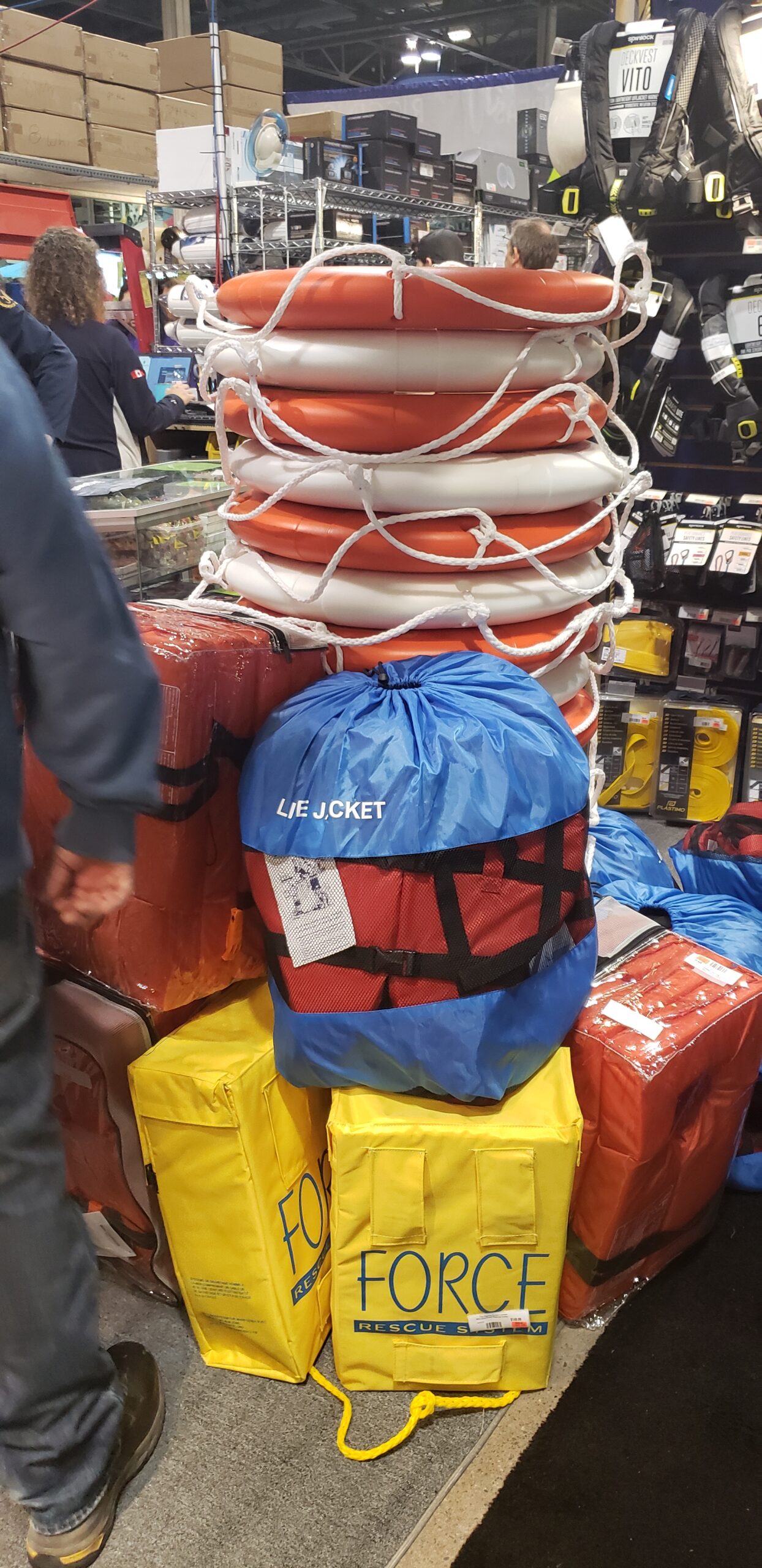
    Toronto is on Lake Ontario, far from the ocean.  I should not have been surprised that there were lots of dinghy sales booths but I did not see a single life raft company at a Toronto boat show.  But I was.   I’ll have to google life raft companies and spend the time on my butt reaching out to them. 

    The big win for me was the new edition of the Lake Ontario Ports book.  It came out this month and lists every port on Lake Ontario:  descriptions of each club and marina with information on getting there, phone numbers, repair shops, and town essentials.   I happily bought it and over a beer, checked out the places I’d been in 2022 and brought back memories.  I am planning to cruise the hell out of Lake Ontario this year before heading south and this is the ultimate planning guide for me.

    I remember in the 1990s sailing my 24’ Shark in company with another Shark (Lady Carol’s Aquarius) from Kingston to Niagara on the Lake.  

    These Sharks had a compass and nothing else, but Lake Ontario is fairly easy to navigate.  If you are on the west end, you can take a sighting on the CN Tower in Toronto.  If you are on the East end, follow the shoreline.   There aren’t many rocks and one Shark sailor (Miss you Bo) used to sail up to the shore and ask anyone mowing their lake shore lawn which way to go.  

    Carol had the official chart of Lake Ontario and I had the Ports book.  I’d follow her to the entrance and she would follow me into the harbour. 

    What did I learn during that trip on Sharks from Kingston?  Drunken olives are made by draining a jar of olives and pouring in vodka to replace the olive juice.  Place in bow in the morning and it is ready for consumption when you dock in the evening.   And a few other things.

    As I was walking through the many large retail booths a thought struck me. While I liked looking at the shiny new things, I didn’t really need any of them. Cambio is very well equipped. So I looked harder for something to buy and really didn’t find anything. I need some bib sailing pants but that was it. This realization made me feel rather good for the state of Cambio’s inventory for this spring.

  • A Cut Above

    A Cut Above

    In 3 weeks the doctors will cut open my knees, shave them down, and install new knees on both legs.   This has already made me more philosophical than usual but has changed the way I look at my plans somewhat.  They cut in mid February and I’m laid up for some time, getting better every day.  But there’s no “official fix day”.  It is a gradual improvement thing that makes planning a bit tricky.  

    I’m still leaving for the South on September 1.   I plan to have the boat launched about May 1, which is 3.5 months after surgery.   I don’t know if I’ll be able to climb the ladder to get to the boat to do the required pre-launch required tasks.   This might mean changes in priorities or a change in the May 1 launch date until the boat is ready, perhaps June 1.  

    The things I’ve identified as pre-launch priorities are: 

    • Pay Insurance
    • Remove boat cover
    • Change zincs / get spare zincs
    • Replace spreader lights
    • Test all mast bulbs
    • Put up flag halyards
    • Install spreader boots or baggywrinkles

    Most of these have alternative methods usually involving bosuns chairs or snorkels, but let’s do it the safest and easiest way possible. I also want to wash the topsides and buff out the scratches that are proof of my docking lessons, but they can be done afterwards, with more difficulty.

    In the mean time I’m studying, watching youtube videos on sailboat maintenance and lifestyle (shoutout to James, Plukky, Ryan, Sophie, Kika and Dan and all the others who cheer me up in Canada’s winter’s grasp.).

  • On July 20 Storm we had the furler destroyed in 43 knots

    On July 20 Storm we had the furler destroyed in 43 knots

    It has been a year since I committed to buy Cambio.  That launched a furious rounds of planning, building spreadsheets, researching options and outsourcing advice by reading and following sailing YouTube channels.  

    It is interesting to compare last year’s plans with this years plans, now that I’ve been through a season with Cambio.

    Last year my plan was to sail the boat all over Lake Ontario in all kinds of conditions.  I needed to have both me and the boat in good enough shape to leave for the Caribbean on September 1, 2022.

    This year I have the same plan, to leave for the Caribbean on September 1 2023

    I’ve a long list of somber lessons from 2022, some of which are covered in other parts of this log. 

    Had I left on September 1 2022, I would have run into hurricanes Fiona and Ian somewhere between about New York and Norfolk.  This would not be good.  I’m very aware for the 2023 season that I’ve got to remember that angry weather will have to be watched and dealt with (aka avoided).  Will I go out to Bermuda and turn right towards Bahamas?  Will I take the ICW? (I don’t really want to spend a lot of time motoring.)  Will I follow the shoreline 20-30 miles offshore while avoiding the Gulf Stream?  And what will the prevailing winds force me to do?  All of this is determined by the weather in close up observations so at this point being aware of future decisions is all I can do now.

    The critical dates for the fall departure are August 1 (which is the go/no go decision date), September 1 (the departure date), October 15 (The New York canal system closes) and December 1 (The nominal end of hurricane season in the Caribbean)

    Last year I had planned to buy some big-ticket items here in Canada. They included in somewhat priority, Dinghy & Motor, Freezer, Liferaft, Watermaker, Ais transmitter (I have a receiver), Wind self steering, Standing Rigging inspection, Solar Upgrade. 

    In the July 20 Storm, Matt and I had the furler and genoa destroyed in 43 knots of wind and effectively broke the boat for going upwind meant that we sailed 40 miles through the storm and then another 100 miles to Kingston on a broken boat and high wind and waves.

    I had a forced 6 week maintenance period in Kingston where the engine was overhauled, the propeller was repaired, the sail was resewn, the mainsail reefing, lazy jacks, and assorted lines were ‘restrung’, and all the major systems, including the standing rigging were checked.  The furler was repaired in October.   Other than the dinghy and motor, which were bought before the storm, the big ticket items simply were not purchased. 

    However, there is a new list.

    • Liferaft.   My advisors tell me this is not negotiable and I tend to agree.
    • More power by installing new solar panels.  I think I’ll be going from almost 200 watts to 900 watts.  Among other things it provides greater redundancy to power the autopilot which is a critical system.  The alternator produces 85 amps when the motor is running.  The batteries may need to be upgraded.
    • Starlink (already purchased)
    • Go Pro (already purchased)
    • Drone
    • Items that are no longer on this year’s budget, if ever, include Watermaker, Wind self-steering, Freezer, AIS transmitter.   I either have enough redundancy planned or don’t need them this season.

    So it has all been about risk management, limited resources (people and money) and building redundancy, all program management concepts that hold over from my previous career.  And the same tools, budgets on Excel spreadsheets, Word documents, even the dreaded PowerPoint. 

    It’s January 3.  I only have 120 days until launch. 

  • Christmas Day and Sailing is on my Mind

    Christmas Day and Sailing is on my Mind

    We are nine months out from heading south.  (“we?”  stay tuned for a crew announcement), and 12 months out from Christmas in the Caribbean.  I feel I should be dreaming about Margaritas on the beach and warm sand and clear waters. Instead, I’m developing project, budget, and maintenance plans just as if I were working in my previous career. 

    I wonder when this ‘work’ which I enjoy very much, especially given the goal, will turn to sailing goals that occupy my thoughts.   I suspect that budgets and maintenance will always be top of mind while travelling, but I hope that project plans will mainly become whims, ad hocs and what-ifs.

    Now the major milestones are looming.  

    May 1 is the target launch day. 

    There is an amount of work I want to do or must do in April before launch day, like replacing zincs, adding a couple of parts to the new propellor blades, cleaning and buffing the topsides.  The topsides show the marks of my learning how to dock a new boat. April will be a busy month. 

    May will be busy too.  I recall swarms of midges last year that made working with one’s mouth open impossible.  But May will be cleaning, organizing the deck and more.  We’ll also begin practical training for new and existing crew will resume on the water. 

    August 1 is another critical date, where we decide to go/no go, but this year we will be better prepared and smarter, I hope.  Last year was a great learning experience and the no go decision on August 1, 2022, was the right one.

    Having made the decision on August 1, then September 1 is the planned start of the trip south.  We’ll go slowly, ahead of the frost to arrive in Bahamas or USVI or somewhere after the December 1 nominal end of hurricane season.   I’m still not sure how to avoid any big storms like Fiona or Ian that hit the eastern seaboard in 2022, or how to go South into a usually south wind and Gulf stream current. 

    My Christmas present from the boat is a Starlink unit.  Iridium Go just won’t cut it for the next 18 month’s cruising and the prices of each are similar.

    I hope you are having or had a great holiday season, whatever flavour of celebration you subscribe to. 

  • Winter Is All About Planning And Logistics

    Winter Is All About Planning And Logistics

    We are past fixing up the boat. It is cold and blustery, even under the cover, and the list of things to do in April is growing. It is basically a list of Before Launch & After Launch and both lists are long. Only most of the items are critical.

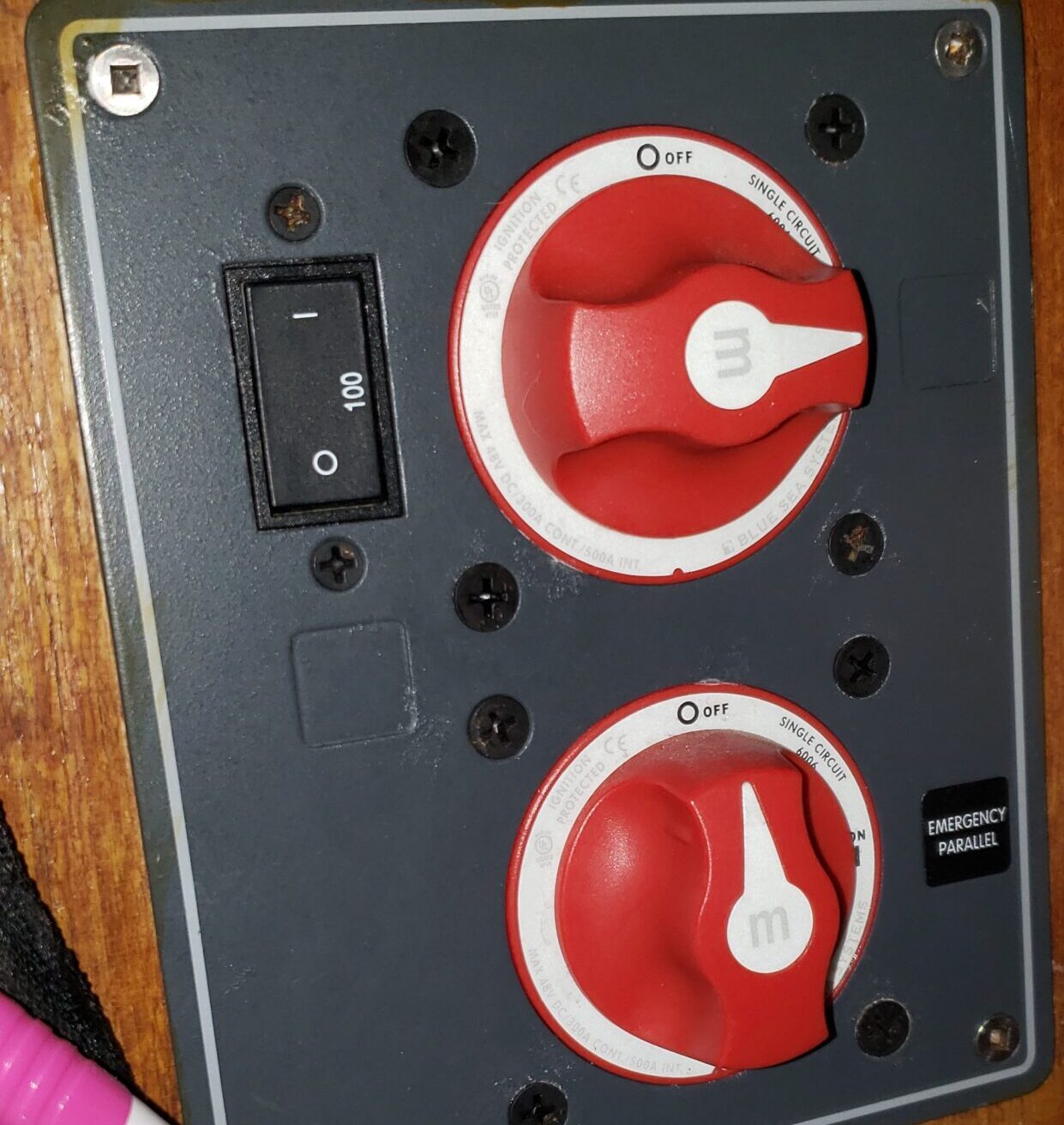
    The featured item in the picture above is the switch that has so far confounded me. It will be April before I get a warm day to spend a good amount of time figuring it out. It should be simple, but it isn’t.

    Before launch items include:

    Replace spreader lights
    Test all mast bulbs
    Install spreader boots or baggywrinkles
    Change zincs / get spare zincs
    Put up flag halyards
    Replace sewage drainpipes
    Check leak in head sink
    Replace plotter
    Fix pelican latch on boarding entry
    Fix toilet seat
    Varnish toerail
    Varnish rubrail
    Pay Insurance
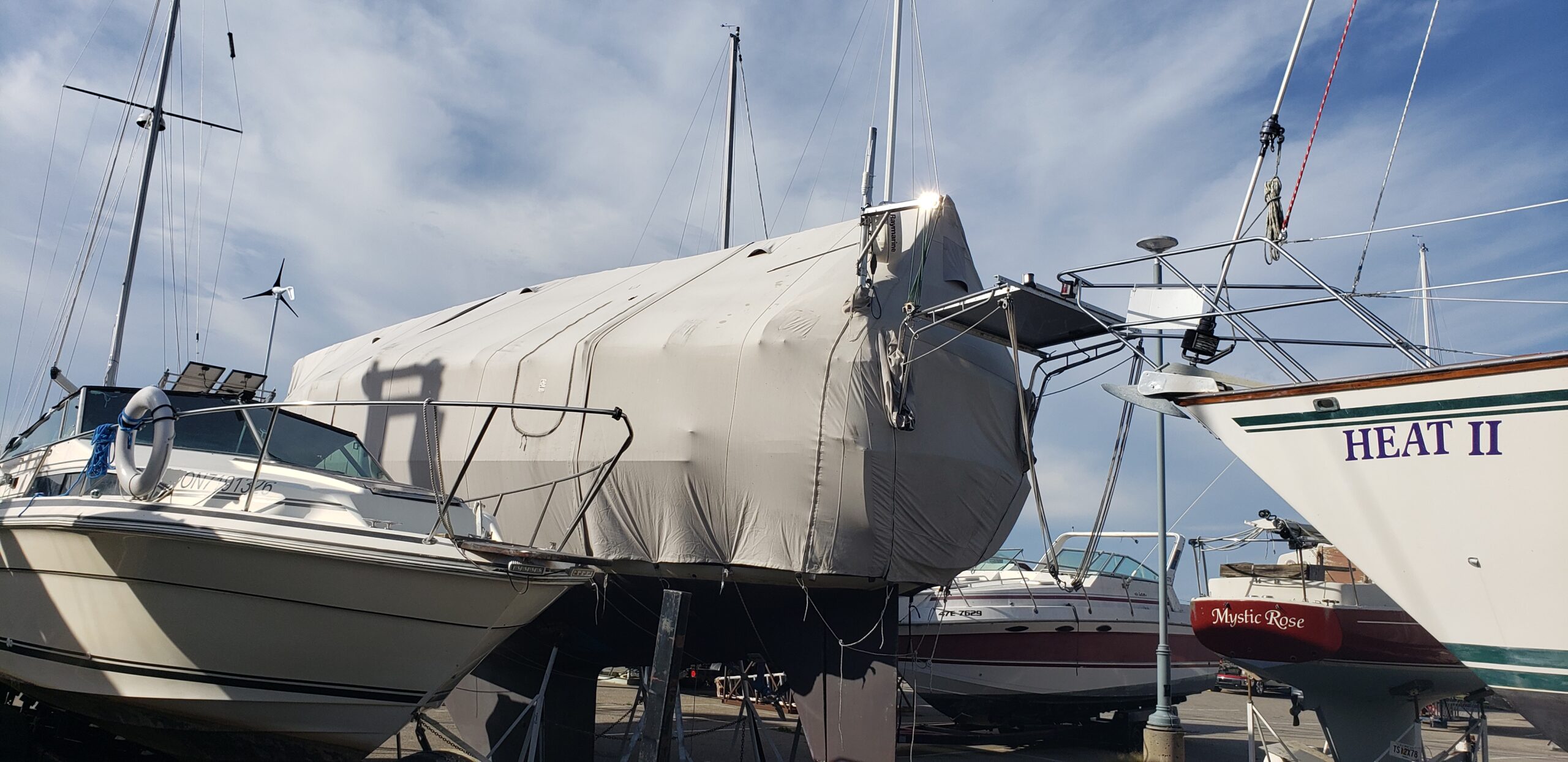
    Remove boat cover

    It’s probably a few day’s work, but finding a toilet seat might be a problem. I hope April is a nice, dry, calm month.

    On the social media side, there are lots of plans to start posting YouTube video in March but that has to be shot in January and then there’s a learning curve to develop my editing skills, which are sadly lacking. The fact that I shot no video last year, particularly during the storm, means a lot of talking heads video. But the folks I’m shooting are lively and interesting and I’m looking forward to it.

  • Planning the Cambio dream

    Planning the Cambio dream

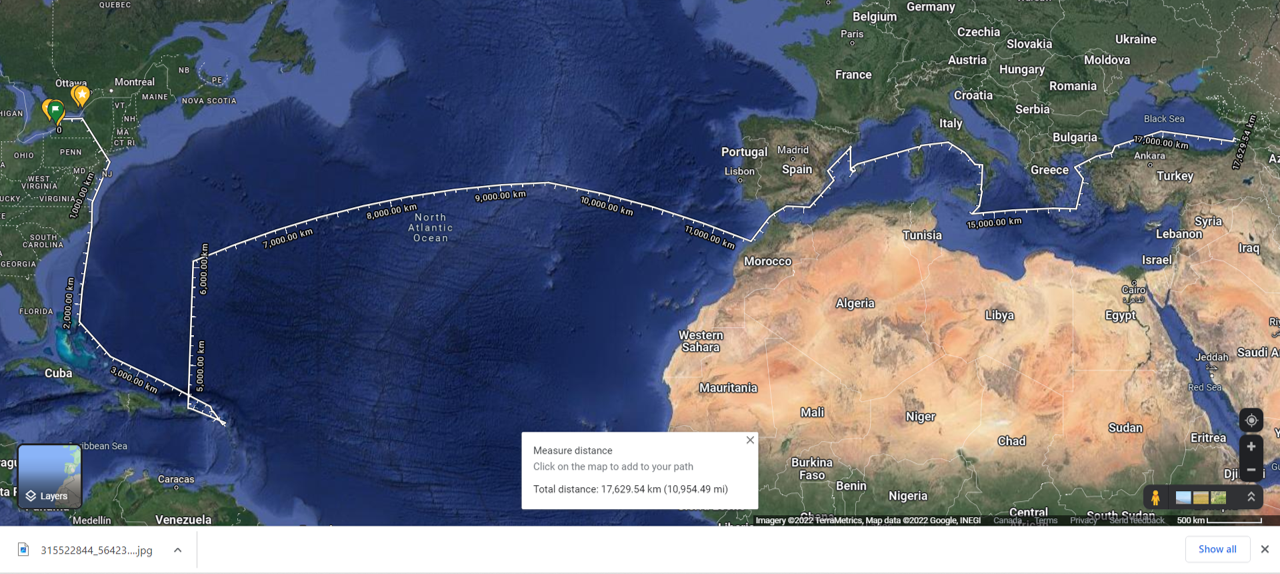
    This is the first version of the Cambio Dream, from Lake Ontario to Batumi Georgia with stops along the way. Google measurements say it is 17,700 kilometers long, which is 9600 nautical miles. Cambio can do perhaps an average of 100 nautical miles per day, so this is, in total, 96 days, or just over 3 months of straight sailing. Geez i hope my math is right. I expect to take 2 years to get to Batumi, and while I’m sure that the course will change over time, this means there’s about 20 months of sightseeing, lazing around, maintenance, sitting on the anchor and enjoying the scenery. I think that’s a great ratio of sailing versus tourism, and I think tourism may not be the right all inclusive word.

    If you are reading this and have suggestions, please leave comments. This is a high level view of the voyage and it ends 9900 nautical miles from home, so clearly this is only part one.

    So lets start:

    Lake Ontario to New York. Because we have to get to the ocean and sailing seasons are short. I want to get south before it gets too cold, and may have to dodge storms if we leave on Sept. 1.

    Norfolk A great starting off point to test offshore. Also a great naval history (yes, I know I skipped Lunenburg and Chesapeake with their great naval lore)

    Bahamas What a great place to stop for December and drag the keel around interesting islands.

    Turks and Caicos They look like a great place to take a break.

    Monserrat and St. Martin Probably as far south as we can go, but I’d like to see them both. If we arrive in Bahamas in December we have 6 months to mess around the northern part of the Antilles before heading to Bermuda.

    USVI and Puerto Rico Just looks like great cruising. Maybe head to BVI as well but the whole area looks good.

    Bermuda Get out of Dodge before hurricane season starts. There’s no point in trying To Reason With Hurricane Season. This would be sometime in May 2023

    Azores Horta looks like such a cool place to visit. It is the first big crossing and hopefully we’ve learned important white water lessions on the 5-7 day trip from Puerto Rico to Bermuda.

    Morocco I’ve never been to Africa so Casablanca has to be on the list. Hopefully we can take the Marakesh Express ( https://www.youtube.com/watch?v=0TYq9RjdYYU ) and visit Tangiers and Gibraltar as we head for the Mediterranean.

    Malaga, Cartagena, Valencia seems like nice places to go and they named an orange after Valencia. How cool is that?

    Barcelona It’s on the list because of the architecture in Barcelona, and a friend I’d like to take to dinner.

    Corsica and Sardinia They are on the way to Rome and I bet I can find some older guys to play backgammon with on either side of the straight that separates theml.

    Rome I’ve never been there, despite a classical education, so it seems like a great place to start the trip down the western coast of Italy, stopping at interesting places.

    Calabria Here in Canada I’ve met a lot of Canadians of Italian descent and most of them seem to have come from Calabria. My barber, my tailor, my other barber, and a host of others have all been decent people, who are proud of their heritage so this is an opportunity to see the land that birthed such honorable people.

    Messina Messina splits Sicily from the Italian toe and it’s a great way to take the shortcut to Malta.

    Malta was the gateway to the East during the Crusades and an undefeated country during World War II. I’m looking forward to seeing ancient buildings and meeting an island full of indomitable spirit.

    Thera I hear the South of Turkey is a wonderful place to spend the winter, if time on the Med must end for winter. But how can we miss the island that houses Santorini? So it is on the list.

    Limnos and Lesbos Two Islands that have some interesting things going on. Limnos produces a wonderful dessert wine that I’ve tried once and loved. It is also known for its natural ingredients,  almonds, figs, melons, watermelons, tomatoes, pumpkins and olives. The main crops are wheat, barley, sesame, honey, and oregano. And I want to try their cheeses. They also say jokingly that the tallest tree on Limnos is oregano.
    Lesbos, despite the jokes (“You aren’t a lesbian unless you were born on Lesbos” – The Mayor of Lesbos), has a million olive trees and so is quite different from Limnos, although it is only a few miles away. Both islands are on the way somewhat to Istanbul.

    Istanbul I was last in Istanbul in 2011. I met some fantastic people, like Simsek and Orhan and Levant in the Grand Bazaar and Deniz, the security guard out by the airport. I had a fabulous time in Istanbul and would love to dock in the shadow of the Galata tower, if they’ll have me.

    Black Sea From Istanbul, the Black Sea opens up. We would want to stay south, away from conflict and explore the more conservative southern shoreline of Turkey until we get to Georgia. I’d like to visit an old friend, Timur, and see the modern architecture of Batumi and Tbilisi, and the ancient Kakheti wine regions. I think it might be nice to winter over in Batumi.
    It is too bad that I’ll likely have to miss the Northern Black Sea like Hungary, Odessa, and Crimea. Whatever time of year we are in the Black Sea I’ve been warned to be off the Black Sea by September 1 due to storm season.

  • Plumbing the Electrical System

    Plumbing the Electrical System

    November 25, 2022, Saint Catharines

    It’s late November and having the boat on the hard is depressing.

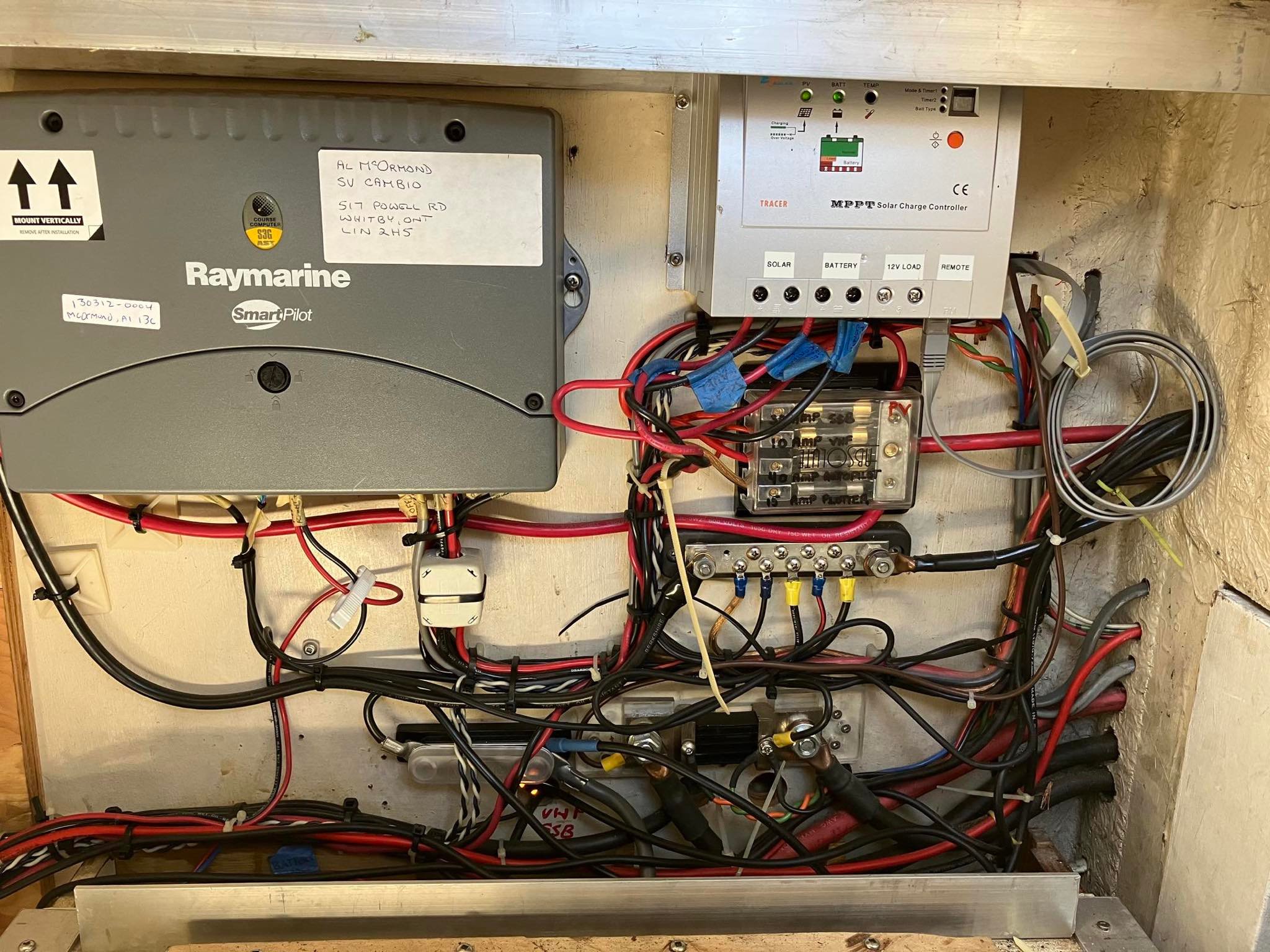
    And there are a number of problem with her, mostly that the power is not working. The solar panel should be charging the batteries, allowing the fan to circulate the air inside. The solar panel is not working. The shore power is also not charging the batteries.

    So there’s something wrong with all the batteries at once, or something wrong with the fuses between the charging unit and the sources of power, or the charger itself. There may be multiple chargers.

    Tomorrow should be 10 degrees and sunny so I’m spending the morning tracing current and checking fuses. Matt, who rode the dragon with me in that July 20 storm will be there to help.

    Another thing that may be related is that the disco lights that light up the engine compartment are not working. They weren’t working before the batteries died, so that may be a clue. Stay tuned.